
Digital marketing has become the lifeblood of contemporary business in a time when our mornings begin with notifications and end with a goodnight scroll. However, what precisely is it?
In contrast to traditional approaches, digital marketing offers measurable, targeted, and personalised experiences by promoting goods and services, connecting with consumers, building brands, and increasing sales using online channels such websites, social media, search engines, and email. It uses a variety of strategies, including social media, email campaigns, paid advertisements, SEO, and content marketing, to reach people wherever they are online.
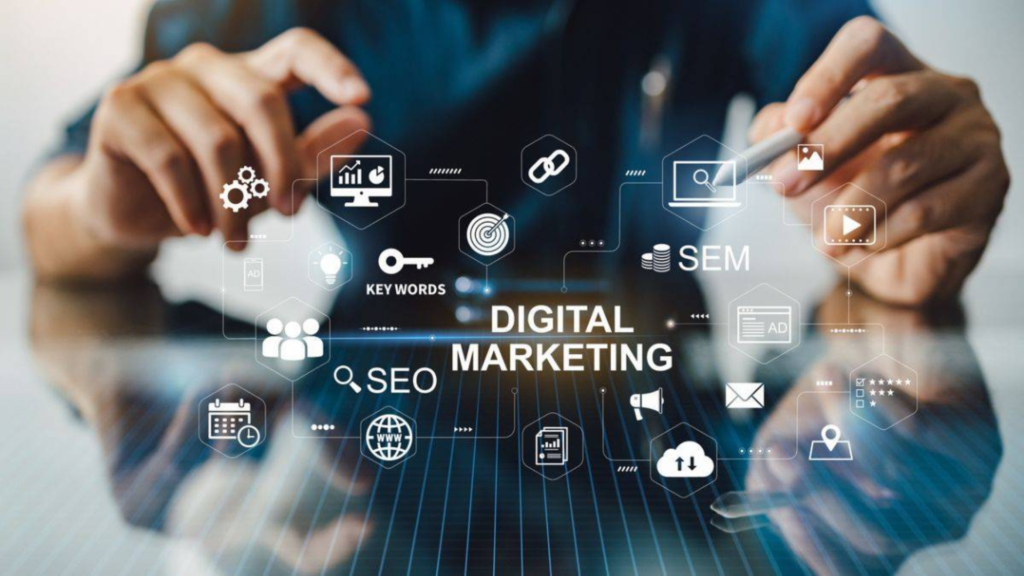
The promotion of goods, services, or brands using the internet and digital tools including search engines, websites, social media, email, and mobile apps is known as digital marketing. It’s more than simply advertising; it’s building connections with your internet audience. Start your digital marketing journey with practical training, live projects, AI tools, and industry-recognized certification through the Digital Marketing Courses in Andheri.
Consider it a dialogue rather than a sales pitch.
The Key Channels of Digital Marketing
Let’s break it down like a playlist of powerful tools:
1. Search Engine Optimization (SEO):
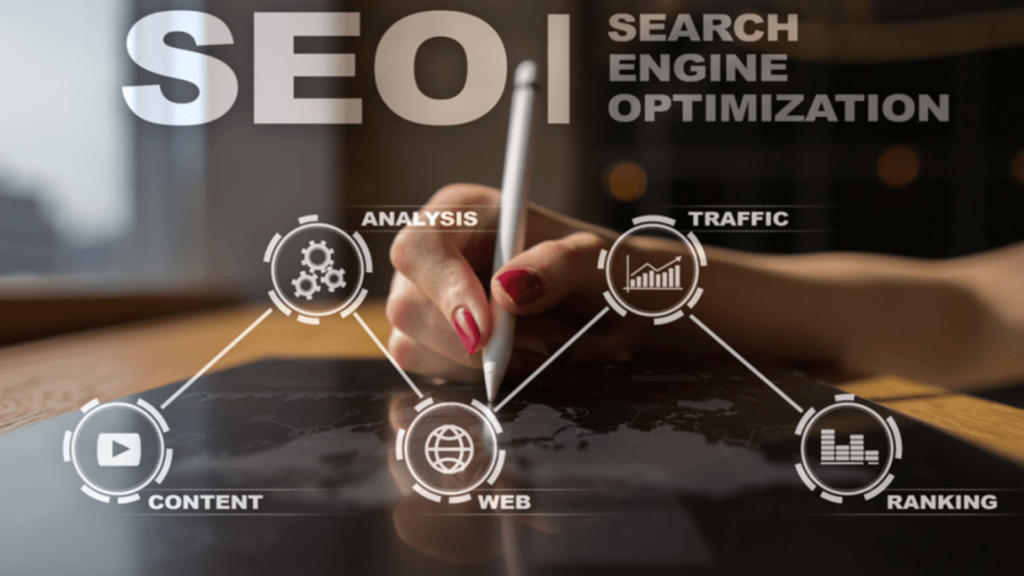
The process of increasing a website’s exposure in free (organic) search engine results, such as those on Google, in order to draw in more relevant visitors is known as SEO (Search Engine Optimisation). In order to rank higher for pertinent search queries, it entails optimising a website’s content, structure, and technical elements to make it more enticing to visitors and search engine crawlers. Increasing quality visitors, brand exposure, and conversions without spending money on advertisements is the aim. Discover how AI is transforming SEO, content marketing, Google Ads, social media marketing, and marketing automation in AI in Digital Marketing.
2.Content Marketing:
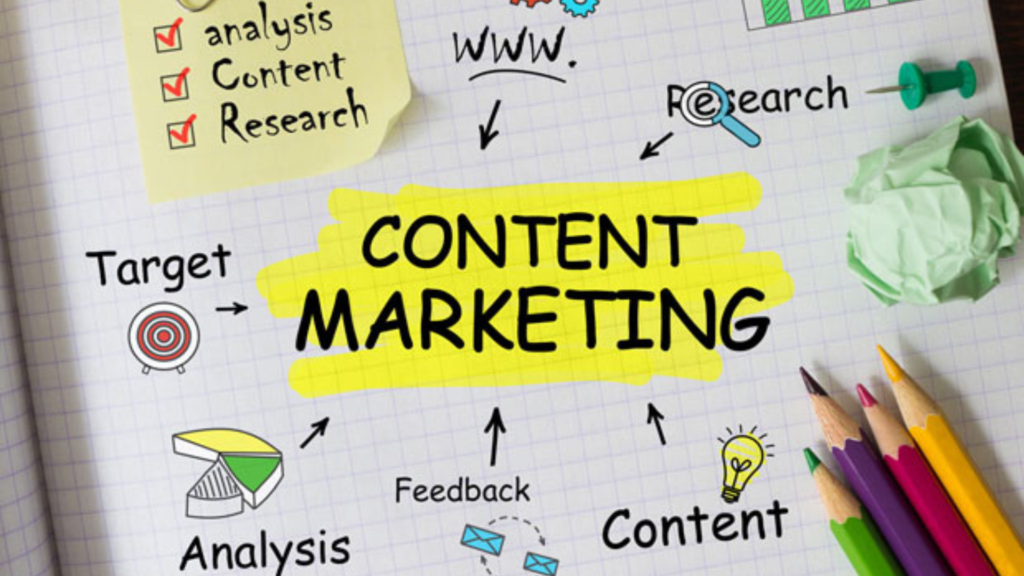
With an emphasis on problem-solving and education rather than direct sales, content marketing is a strategic approach to producing and disseminating worthwhile, pertinent, and consistent content (such as blogs, videos, podcasts, and social media posts) in order to draw in and keep a specific audience, develop trust, establish brand authority, and ultimately encourage profitable customer actions. It’s a long-term approach that leverages useful data to attract clients, cultivate connections, and assist them in their purchasing process.
3. Social Media Marketing:
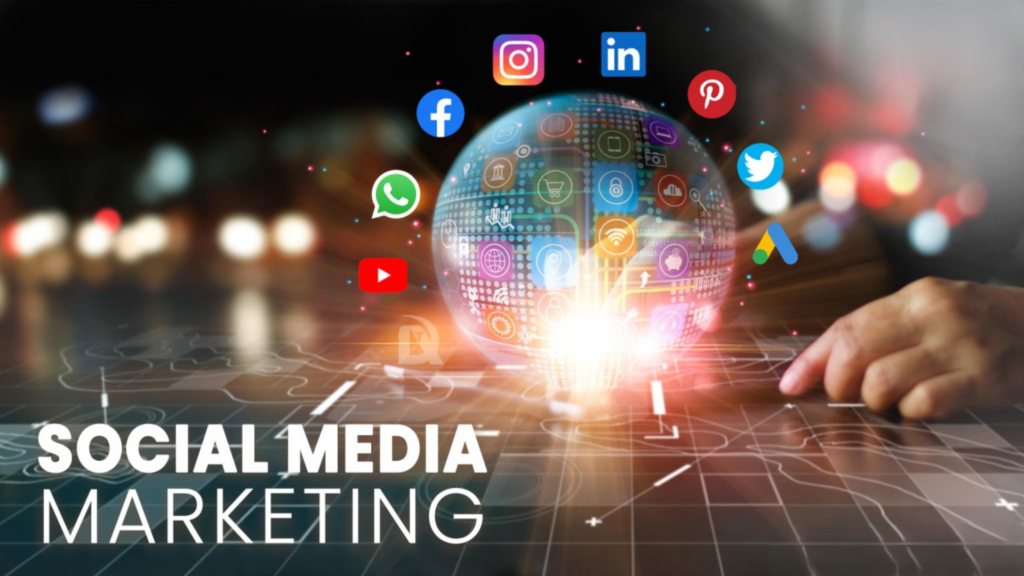
Connecting with your audience on social media sites like Facebook, Instagram, LinkedIn, and Twitter is the core of social media marketing (X). Through postings, stories, and discussions, it allows you develop a devoted following, raise brand awareness, and interact directly with consumers.
4. Email Marketing:
One of the most intimate ways to interact with your audience is still through email marketing. Direct delivery of newsletters, promotions, or tailored offers to inboxes fosters lead nurturing, increases client loyalty, and encourages repeat business.
5. Pay-Per-Click Advertising (PPC):
PPC enables you to run sponsored advertisements on social media sites and search engines like Google. It’s a targeted and effective strategy to acquire instant awareness and increase traffic to your website because you only pay when someone clicks on your advertisement.
6. Influencer Marketing:
Influencer marketing uses well-known bloggers or social media figures to advertise your goods. Compared to traditional advertising, brands can expand their reach, establish credibility, and produce genuine engagement more quickly by reaching out to their valued audience.
Why Digital Marketing Matters
Digital marketing is quantifiable, in contrast to traditional marketing. In real time, you can see how many people read your blog, clicked on your advertisement, or joined up for your newsletter. It is affordable, scalable, and—possibly most importantly—targeted. Instead of shouting into thin air, you speak softly to people who are interested.
It’s Not Just About Tools—It’s About Strategy
What distinguishes an Instagram user from a digital marketer? Plan of action. Understanding consumer behaviour, data analytics, content trends, and platform algorithms is essential to digital marketing. It’s an ever-changing puzzle that rewards ingenuity, timing, and intelligence.
The Future is Digital
Digital marketing is only becoming more potent, from AI-driven advertisements to voice search optimisation and virtual reality efforts. Your internet presence has the power to create or break your business, regardless of how big or little you are.
Final Thoughts
Digital marketing is now necessary rather than optional. It’s where businesses and the globe come together, and where creativity meets statistics. Digital marketing is your ticket on the worldwide stage, whether you’re operating a SaaS business or selling handcrafted jewellery.
Therefore, keep in mind that it’s not just chance the next time you see a sponsored Instagram post or receive an email that prompts you to click “Buy Now.” Digital marketing is clever, strategic, and integrated into your everyday digital life.
SEO is one of the core pillars of digital marketing. Learn practical strategies to improve your website’s visibility in How to Rank at the Top of Google in 2026.